Common Tile Roof Problems Seen in Port St. Lucie Homes
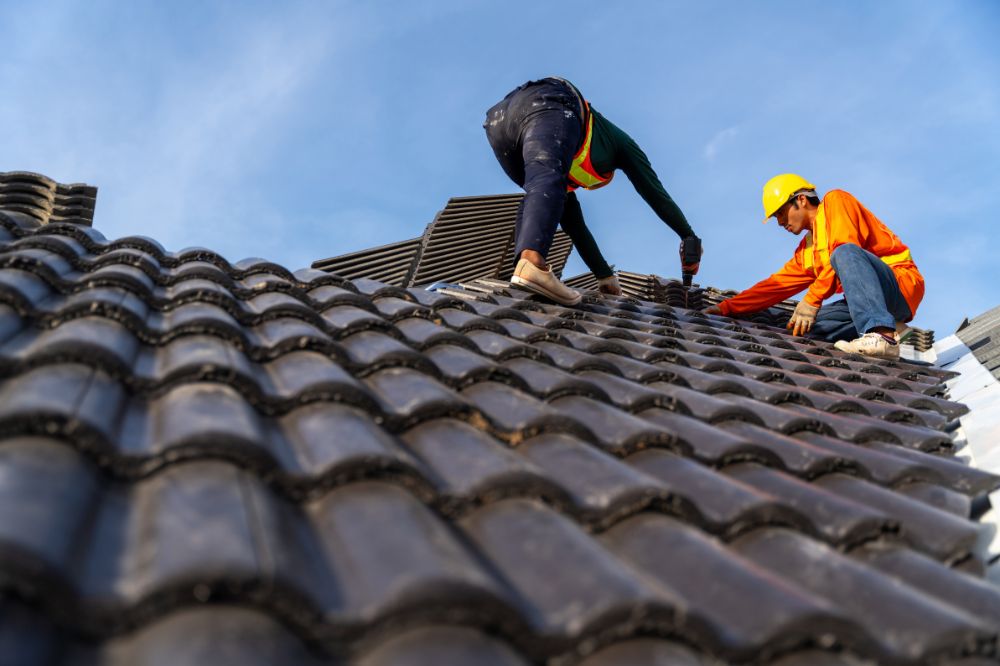
One storm wind gust, and your “eternal” tile roof shatters like glass. If you live in Port St. Lucie you might not expect that. Tile roofs look heavy, locked in, and built to outlast everything else on the house. From the street, they always seem fine, even after a rough storm. But inside the home, things start to tell a different story.
A small stain shows up on the ceiling. A faint musty smell lingers in a corner. Maybe a room just feels damp in a way it never did before. By the time you notice any of it, the roof has already been letting water through. Tile doesn’t usually fail in a loud, obvious way. It breaks quietly, then lets problems grow underneath.
What Port St. Lucie Weather Does to Tile
Living near the coast puts roofs through more than just rain. The sun beats down all year, drying out materials. Salt in the air slowly eats at anything exposed. Then the storms roll through with wind strong enough to lift and shift tiles that looked perfectly locked in the day before.
Over time, this constant push and pull makes tile roofs more fragile than they appear. Tiles expand and contract. Mortar weakens. Tiny gaps form where water doesn’t need much room to sneak in. None of this shows from the driveway, which is why homeowners stay confident right up until they’re not.
The Cracks You Never See
Many of the broken tiles develop small hairline cracks that are almost impossible to spot unless you’re up on the roof. Those cracks let in moisture little by little. When the next storm hits, water travels through those tiny openings and spreads underneath the tile surface.
One cracked piece can lead to several more shifting or breaking as the roof flexes in the wind. What starts as a single weak spot slowly turns into a larger area that can no longer keep water out.
Water’s Favorite Path Inside
Tiles are only part of the system. Under them sits the underlayment, which does most of the real work of keeping water away from the wood below. Once tiles crack or move, water finds its way to that layer. Over time, it wears it down.
Eventually, it reaches the decking and insulation. That’s when ceiling stains appear, or worse, mold starts growing where no one can see it. People often think the leak is small because the stain is small. In reality, water has usually been traveling for a while before it shows itself.
The “Do I Fix This Now?” Moment
This is where many homeowners pause. A few cracked tiles don’t look serious. A small leak seems manageable. But waiting usually lets the damage spread further under the surface. That’s when a simple repair turns into something bigger. Getting tile roofing repair in Port St Lucie done early can stop that chain reaction before it reaches the inside of the house.
Local weather makes this timing even more important. With how often storms roll through, even small weak points get tested over and over again.
Loose Tiles and Shifting Roof Lines
Wind doesn’t always break tiles. Sometimes it just moves them. Ridge caps can loosen. Tiles slide out of alignment. Gaps open where pieces used to fit tightly together.
Each shift gives water another path inside. From the ground, the roof still looks fine. Up close, you can see the pattern changing. The longer those pieces stay out of place, the more stress gets put on the surrounding tiles, leading to more damage.
When Repairs Turn Into Replacements
Ignoring roof problems doesn’t freeze them in time. They keep growing. Moisture weakens the structure. Wood begins to rot. Fasteners corrode. What could have been a targeted repair slowly turns into something that affects large sections of the roof.
Homeowners are often surprised by how quickly costs climb when damage is left alone. It’s rarely the first broken tile that gets expensive. It’s all the ones that follow because nothing stopped the initial problem.
Staying One Step Ahead
The easiest roof problems to deal with are the ones caught early. Regular inspections, especially after storms, can spot cracks, loose tiles, and worn areas before they let water inside. Small repairs done at the right time protect the entire system.
They keep the underlayment intact and prevent moisture from reaching the structure below. In a place like Port St. Lucie, where the weather doesn’t take many breaks, staying ahead matters more than people think.
Before the Next Storm Hits
Tile roofs still do their job well, but they aren’t unbreakable. They age, shift, and crack just like anything else exposed to sun, wind, and rain.
Paying attention to the small signs gives homeowners a chance to protect what’s underneath before the damage becomes visible.
If you want a straight answer about what’s really happening up there, reach out to us at A Coast Roof LLC, and we’ll take a real look.