
Signs Your Roof Is Failing Even When There’s No Visible Leak
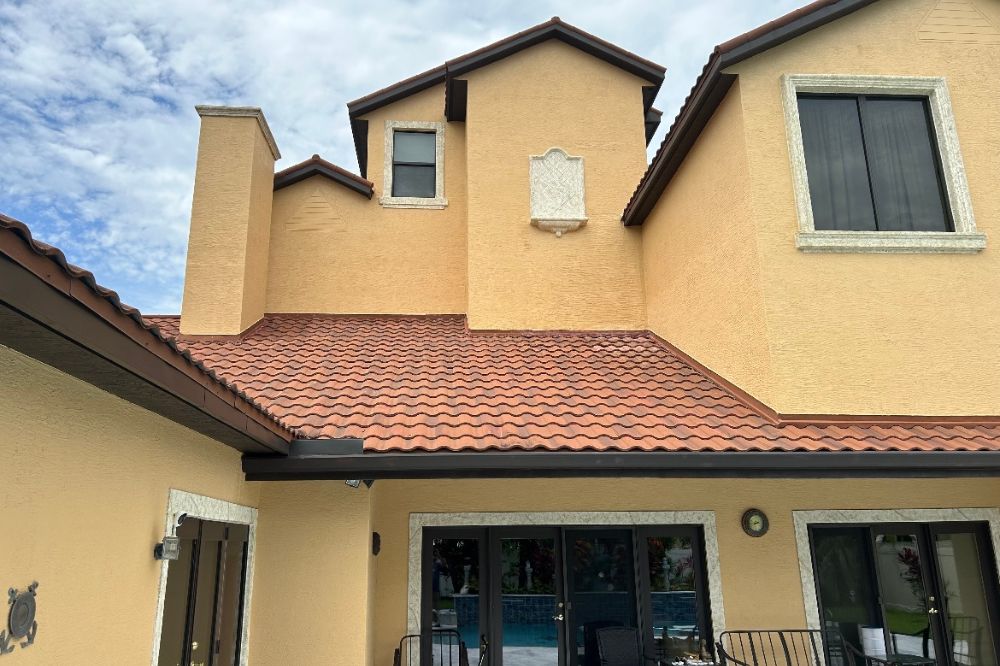
The absence of a leak is not proof that your roof is healthy. Some of the worst roof damage happens long before water ever reaches your ceiling. Roof systems fail in layers. The outer surface might still look intact while the materials underneath are slowly wearing down.
A lot of homeowners assume that no stain on the ceiling means no issue above it. That assumption is usually where problems grow unnoticed. Deterioration tends to start quietly and stay that way for a while.
Subtle Shingle Changes Most People Ignore
Shingles rarely fail all at once. The early signs are small enough that most people overlook them. Edges begin to curl slightly. Corners lift just enough to catch the wind. After heavy rain, you may notice more granules than usual collecting in your gutters or near downspouts.
Those granules are not cosmetic. They protect the shingle from sun exposure and weather wear. When they start coming off in larger amounts, the material underneath becomes more vulnerable.
From the ground, everything can still look normal. That’s what makes it easy to dismiss.
Soft Spots and Structural Shifts
Beneath the shingles is the decking that supports the entire roofing system. If that begins to weaken, the signs are subtle. A slight dip in the roofline. An area that looks uneven in certain lighting.
Soft spots can develop from minor moisture intrusion that never made it inside your home. They can also come from poor ventilation or years of heat exposure. Even without visible water damage, the structure itself can be under strain.
By the time sagging becomes obvious from the street, the underlying issue has often been there for months, sometimes longer. We at A Coast Roof LLC find early structural concerns during evaluations when homeowners were convinced everything looked fine.
Flashing and Sealant Breakdown
The most vulnerable parts of a roof are rarely the large open sections. It’s the transitions that tend to fail first. Around chimneys. Around vents. Along valleys. Anywhere different materials meet.
These areas rely on flashing and sealant to stay watertight. Sealant dries out with age. Flashing can shift slightly with temperature changes. Even a small separation creates a weak point. It may not leak immediately. But when wind-driven rain or a heavy storm hits, that small weakness can turn into a real intrusion.
Because flashing issues are not always visible from inside the house, they often go unnoticed until repairs become more involved.
Clues Inside the Attic
If you really want to know how your roof is doing, look in the attic. You might not see dripping water, but you could notice other warning signs. A faint musty smell. Wood that looks darker than it should. Insulation that feels compressed or slightly damp in areas.
Ventilation problems are common and often ignored. When hot air gets trapped, it stresses roofing materials from underneath. In humid conditions, moisture buildup can slowly affect the decking without ever showing up as a ceiling stain.
Attic conditions often reveal roofing problems earlier than the living space does. Most homeowners just don’t think to check.
Energy Bills That Gradually Climb
Sometimes the first hint isn’t visual at all. It shows up in your utility bill. If your cooling system runs longer than it used to, especially during hot months, your roof and attic ventilation might be part of the reason.
Compromised materials and poor airflow trap heat. That forces your HVAC system to work harder. You may blame rising costs on appliances or general rate increases, but roofing performance plays a role in how efficiently your home regulates temperature.
Age Alone Is a Factor
Even without storm damage, roofing materials have limits. Asphalt shingles generally last twenty to thirty years, depending on installation quality and climate. In areas with intense sun, humidity, and seasonal storms, that lifespan can be shortened.
A roof can look acceptable from the driveway and still be nearing the end of its useful life. Materials dry out. Adhesives weaken. Protective layers thin. None of that is obvious until you know what to look for.
Waiting for a visible leak often means waiting too long.
When to Take It Seriously
Roofs are built to handle wear. The issue is ignoring patterns. If you notice curling shingles, granule loss, attic irregularities, or subtle structural shifts, it’s worth paying attention.
Homeowners looking into roof repair Port St. Lucie services often realize that early intervention costs far less than interior repairs after water damage spreads. An inspection doesn’t automatically lead to a full replacement. In many cases, it leads to smaller repairs that extend the roof’s life.
Final Thoughts
A dry ceiling feels reassuring. It gives you confidence that everything above is fine. Sometimes that’s true. Sometimes the roof is just holding together quietly.
Roof damage rarely begins with water pouring inside. It begins with small material breakdown, minor separation, gradual wear. By the time a leak appears, the system has already been compromised.
Paying attention to early signs gives you options. Ignoring them usually narrows those options. And when it comes to roofing, having options makes a real difference.